{{ s.glyph }}
{{ s.title }}
{{ s.body }}
A somatic path to wholeness. A gentle, body-centered practice for meeting what lives beneath the thinking mind.
The Tamura Method works at the meeting place of nervous system and unconscious, using gentle, attuned contact to draw the body out of mental story and into present sensation. At its heart is a simple idea: within each of us there are two selves.
{{ s.body }}
Touch becomes the bridge, a way to meet the Child-self directly, without going through the Adult-self's well-rehearsed explanations of why everything is fine.
Originated by Wynn H. Tamura of Lafayette, California, who has dedicated more than forty years to this work, blending somatic psychotherapy with subtle energetic touch. It is now carried forward by practitioners trained directly in his lineage.
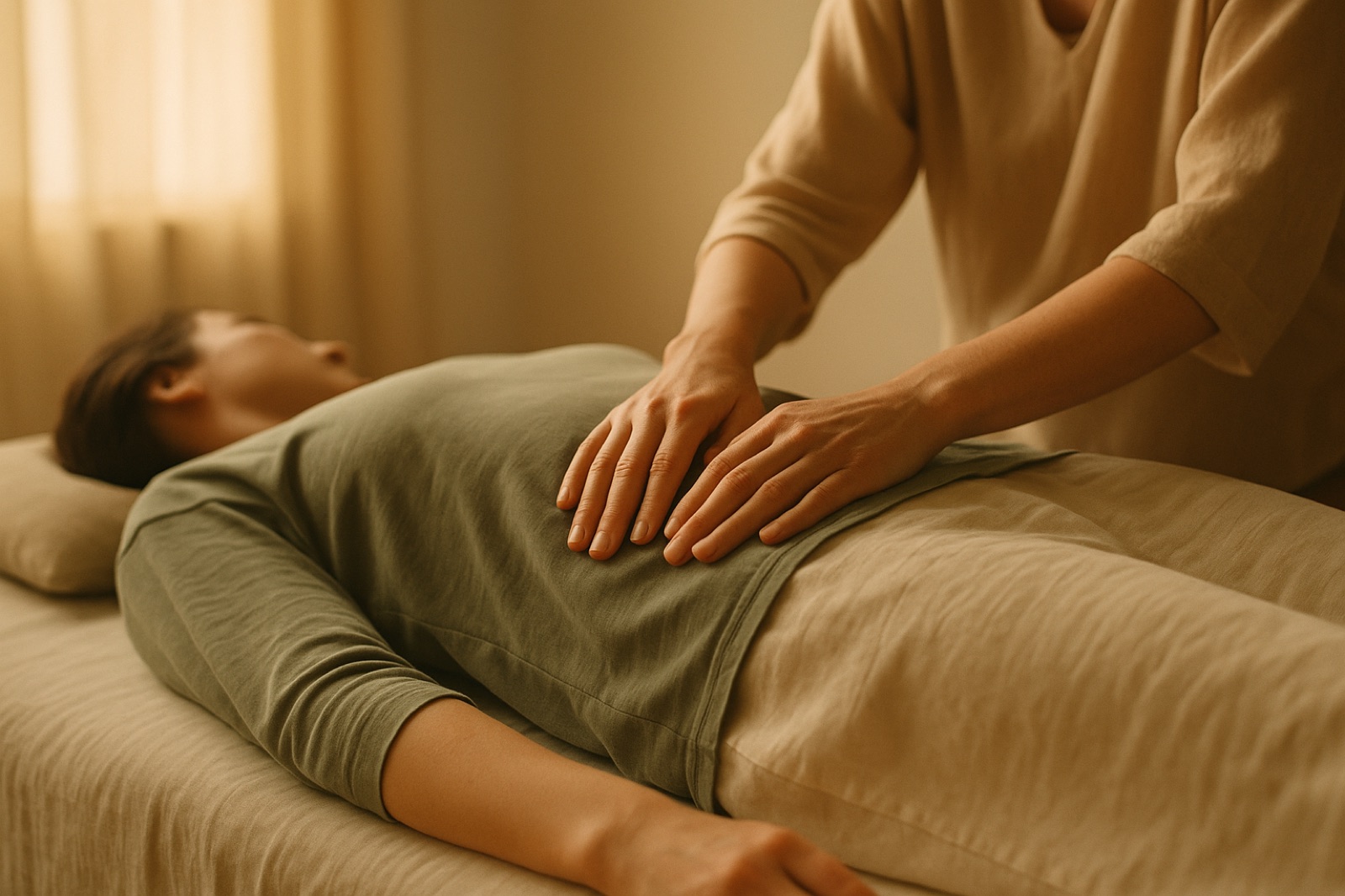
You arrive. We talk briefly about what is present. Then you lie down, comfortable and at ease, and the work begins.
With slow, intentional contact, the practice bypasses the thinking mind and speaks to the body's older intelligence. My role is to stay present, attuned, and quietly companioning whatever arrives. I am not analyzing you, not steering toward a particular outcome, I am holding a steady, grounded space in which your own system can do what it already knows how to do.
People come to the Tamura Method when talk therapy has reached the edge of what words can do, when they have understood the pattern, named the wound, mapped the family system, and still feel it living in their body.
They come when preparing for or integrating a non-ordinary state experience. When grief is held in the chest or throat. When old protections that once kept them safe are now keeping them small, and they want to meet themselves beneath language.
This work is gentle. It is also serious. It is not appropriate for active acute crisis or unstabilized trauma, for those, please reach out so we can discuss whether it is the right fit, or recommend something else first.
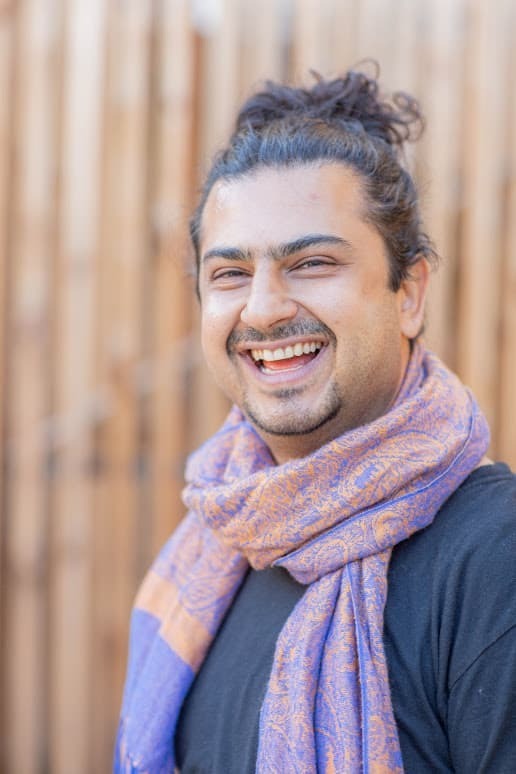
I came to this work as someone needing it, not someone studying it. Years of my own breathwork, integration, and somatic practice eventually opened into formal training in the Tamura Method, alongside ongoing study in Grof® Breathwork and ministerial formation.
What you meet across the table is someone who knows the territory from the inside, not as theory, but as terrain I have walked. Sessions are held with care, with discretion, and with the understanding that what arrives in this room belongs to you.